
What Is Postmodernism? When Art Stops Giving Answers and Starts Asking Questions
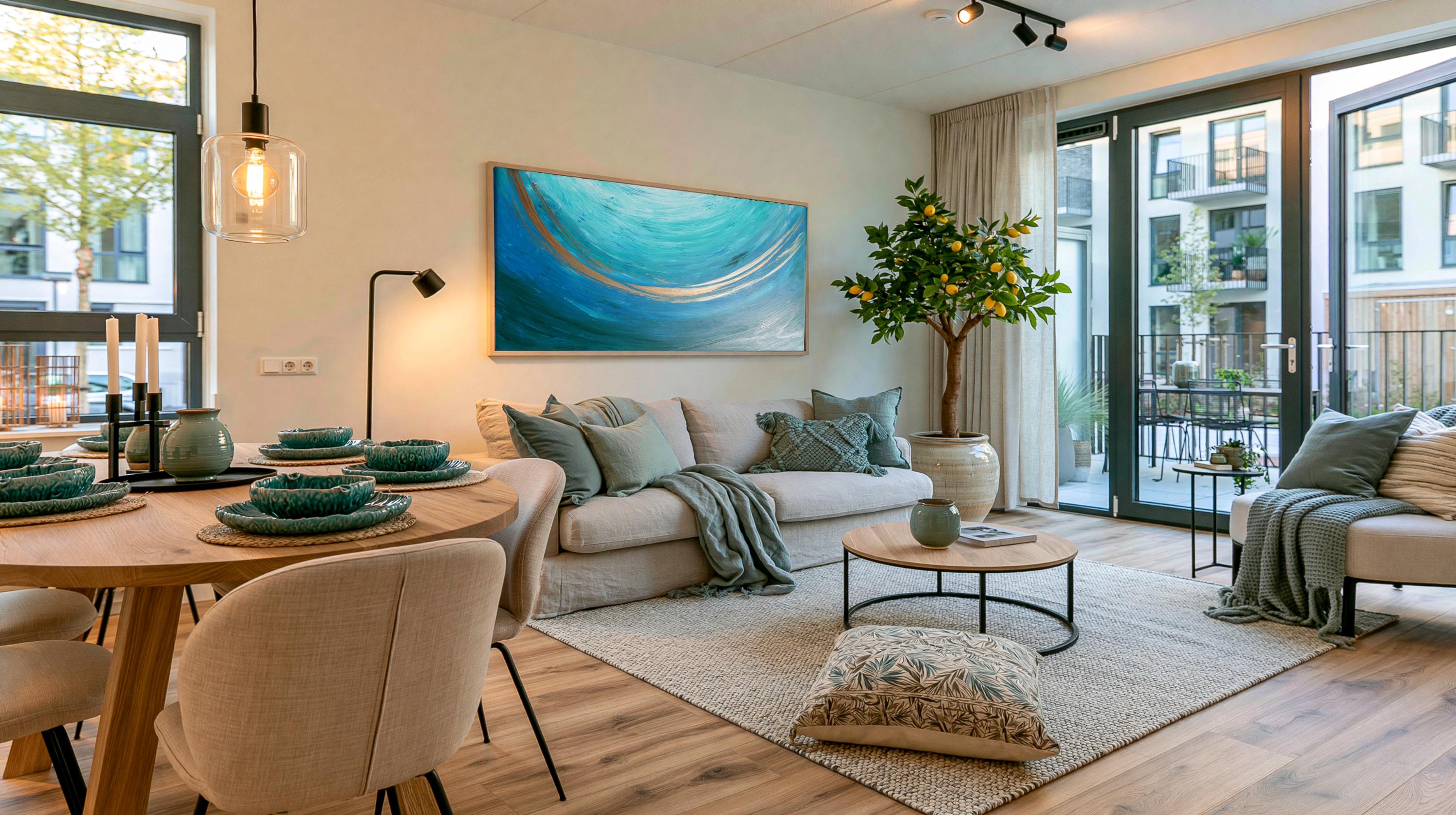
Walk into a museum devoted to Classical art, and everything seems perfectly certain. The heroes know they are heroes. The landscapes know they are beautiful. Even the marble statues appear convinced that eternity has excellent taste.Modernism arrives with different ambitions. It wants to reinvent the world, challenge tradition, and prove that every generation deserves its own artistic language.Then, almost quietly, Postmodernism enters the room.It smiles politely, borrows a chair from another century, hangs a Japanese woodblock print beside an abstract canvas, places a neon sign above both, and asks the only question that truly matters:Who decided these things don't belong together?Perhaps that is the simplest way to understand postmodern art. Rather than rejecting history, it plays with it. Rather than searching for one universal truth, it celebrates many possible interpretations. It reminds us that meaning is not fixed inside an artwork—it emerges somewhere between the artist, the object, and the person standing in front of it.
The Beauty of Uncertainty
For centuries, artists pursued perfection.Perspective became more accurate. Anatomy became more convincing. Paintings tried to imitate reality so faithfully that viewers almost expected the figures to step out of their frames.Postmodernism found this admirable—and wonderfully limiting.What if a painting doesn't need to imitate reality?What if memories matter more than facts?What if irony can exist alongside sincerity?What if beauty itself refuses to follow rules?Instead of creating completely new visual languages, postmodern artists often borrow from many traditions at once. Ancient mythology meets contemporary design. Minimalism shares a wall with ornate decoration. Eastern philosophy quietly converses with Western abstraction.The result is not confusion.It is conversation.
Every Viewer Becomes a Co-Author
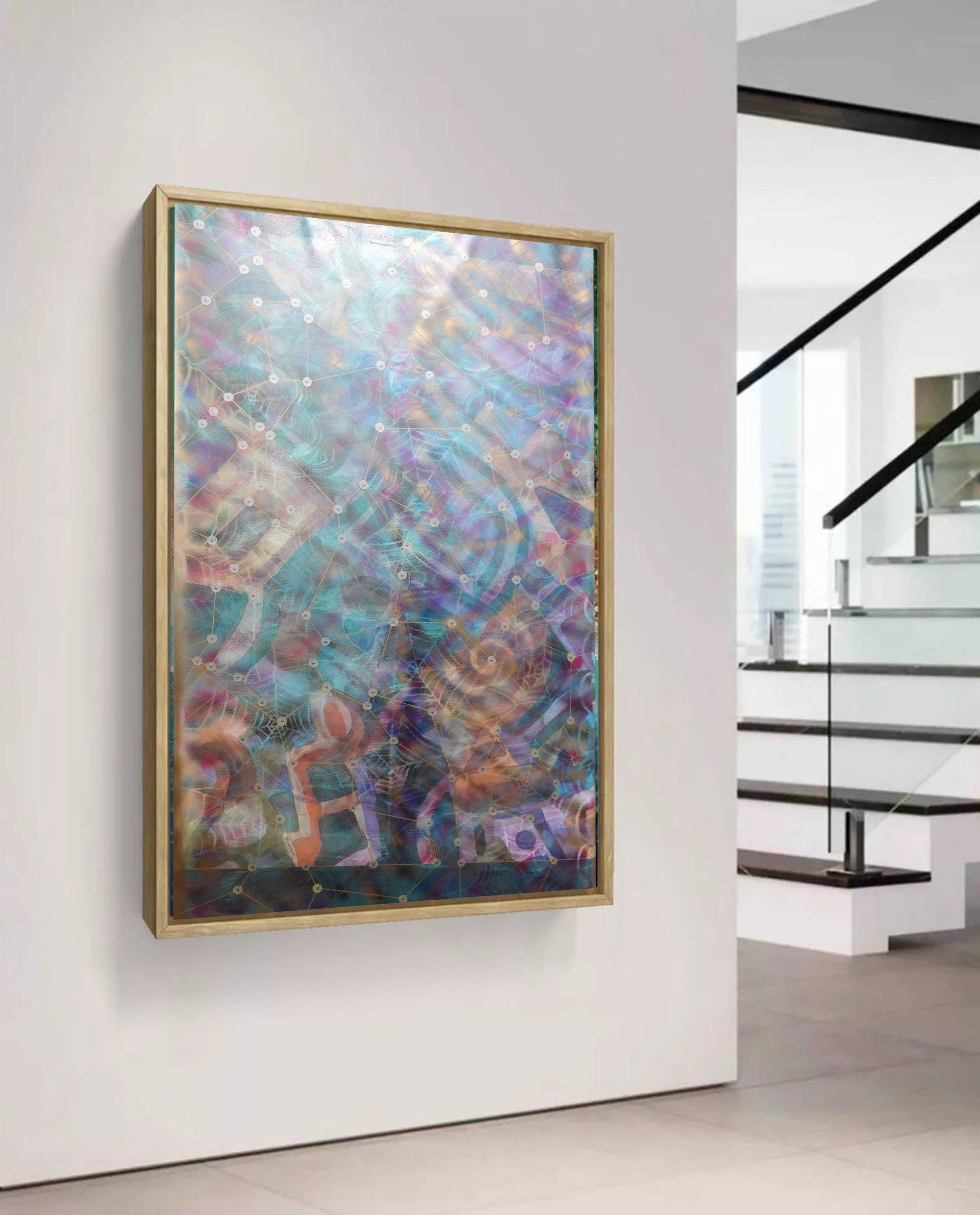
People often ask artists:"What does this painting mean?"The question sounds straightforward, but postmodernism rarely offers a single answer.A textured abstract painting may evoke a dramatic landscape for one viewer, while another discovers memories of the sea, weathered stone, or distant galaxies. Neither interpretation is wrong.Art is no longer a puzzle with one hidden solution.It becomes an experience.This freedom explains why contemporary abstract art continues to resonate with collectors around the world. Great paintings rarely reveal everything at first glance. Instead, they evolve with the person who lives beside them.A work of art that changes as you change never truly grows old.
Postmodern Art in Interior Design
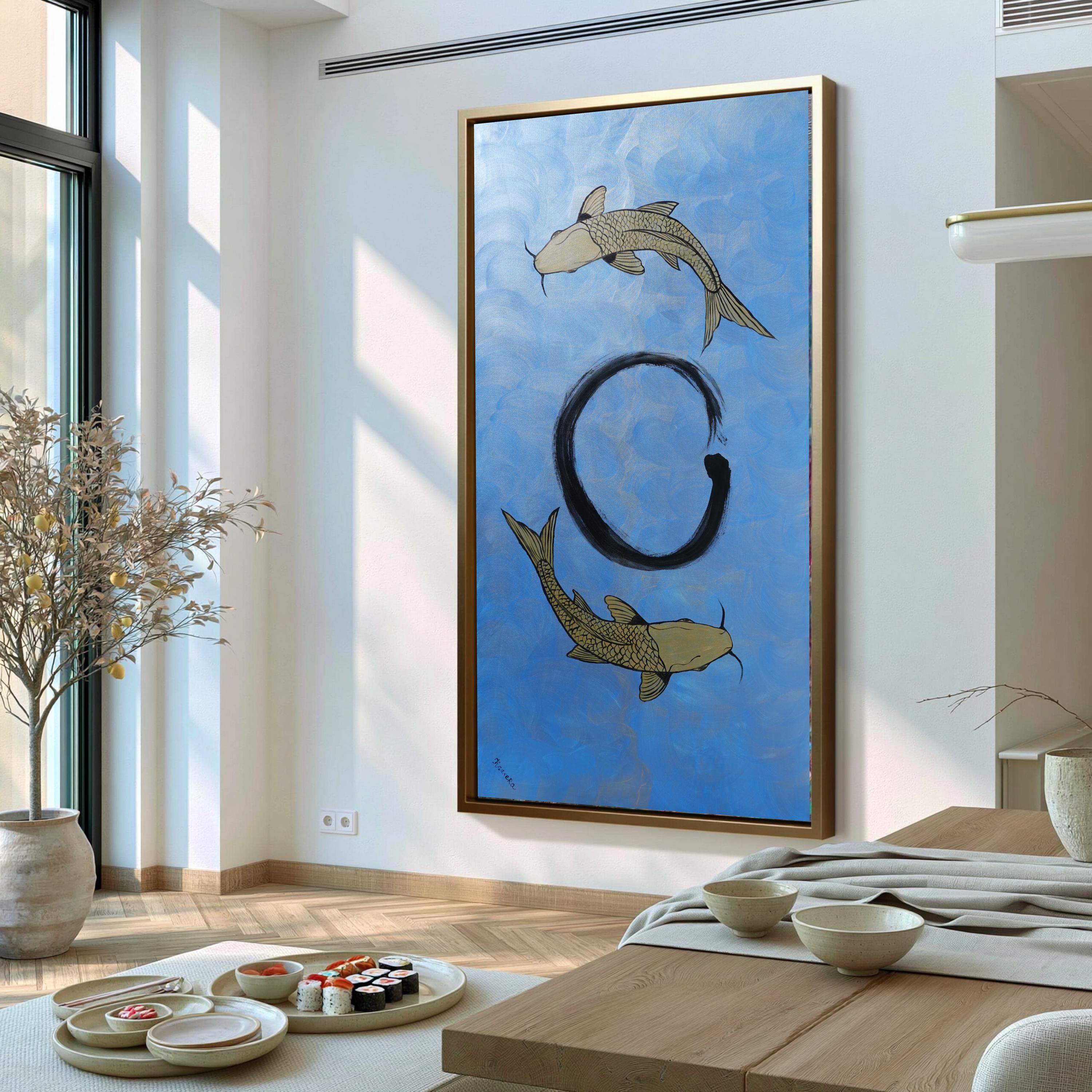
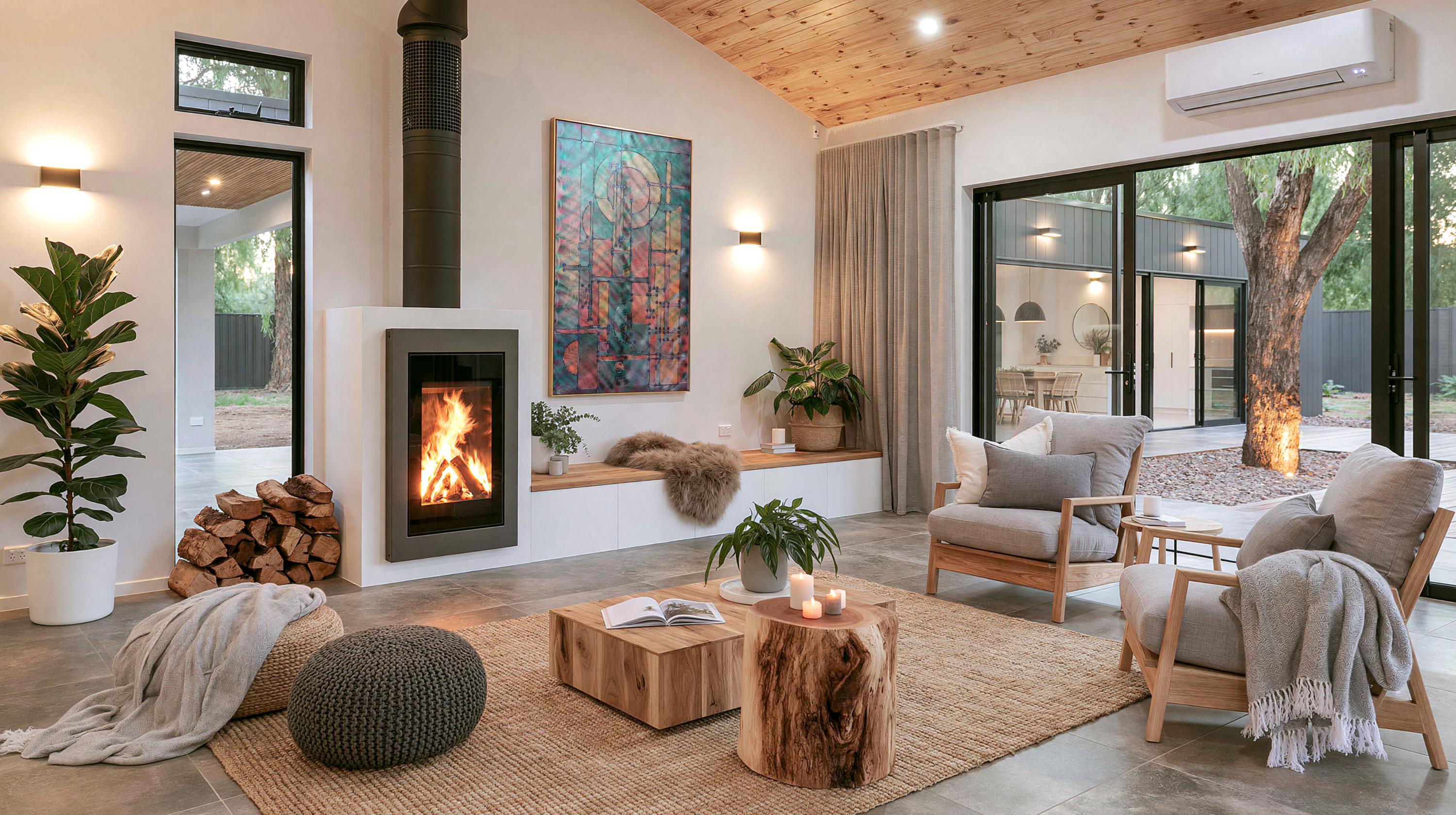
Modern interiors have changed dramatically over the past few decades.Homes are no longer designed merely to impress visitors. They have become deeply personal spaces that reflect individual character, memories, and aspirations.That is why large wall art has become such an important part of contemporary interior design.A carefully chosen original acrylic painting does far more than fill an empty wall. It establishes atmosphere. It introduces texture, movement, and emotion. It gives a room its own visual voice.Whether the interior follows Scandinavian minimalism, Japandi aesthetics, modern luxury, or industrial architecture, contemporary artwork often becomes the element that unites everything else.
Between Abstraction and Japanese Aesthetics
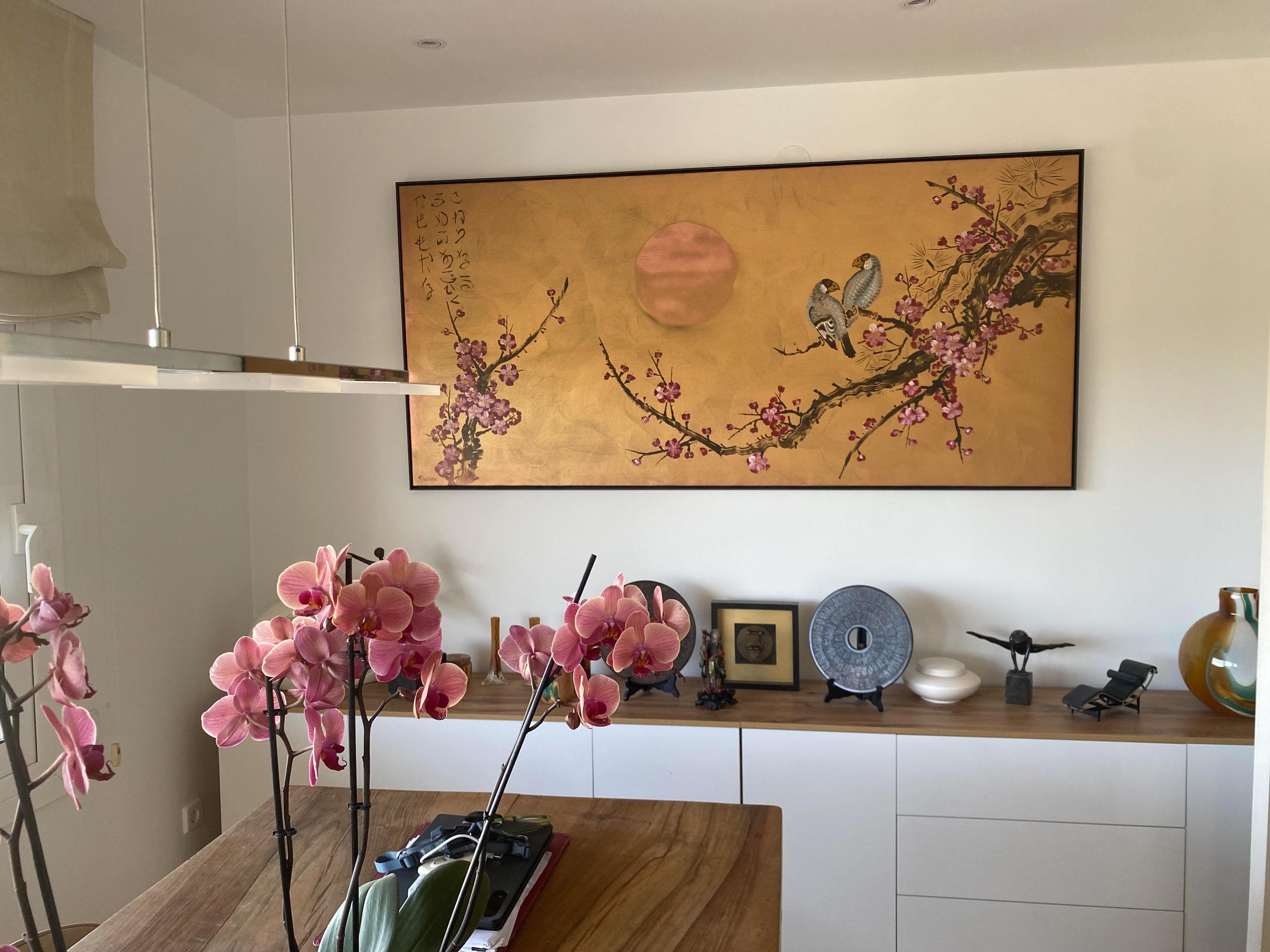
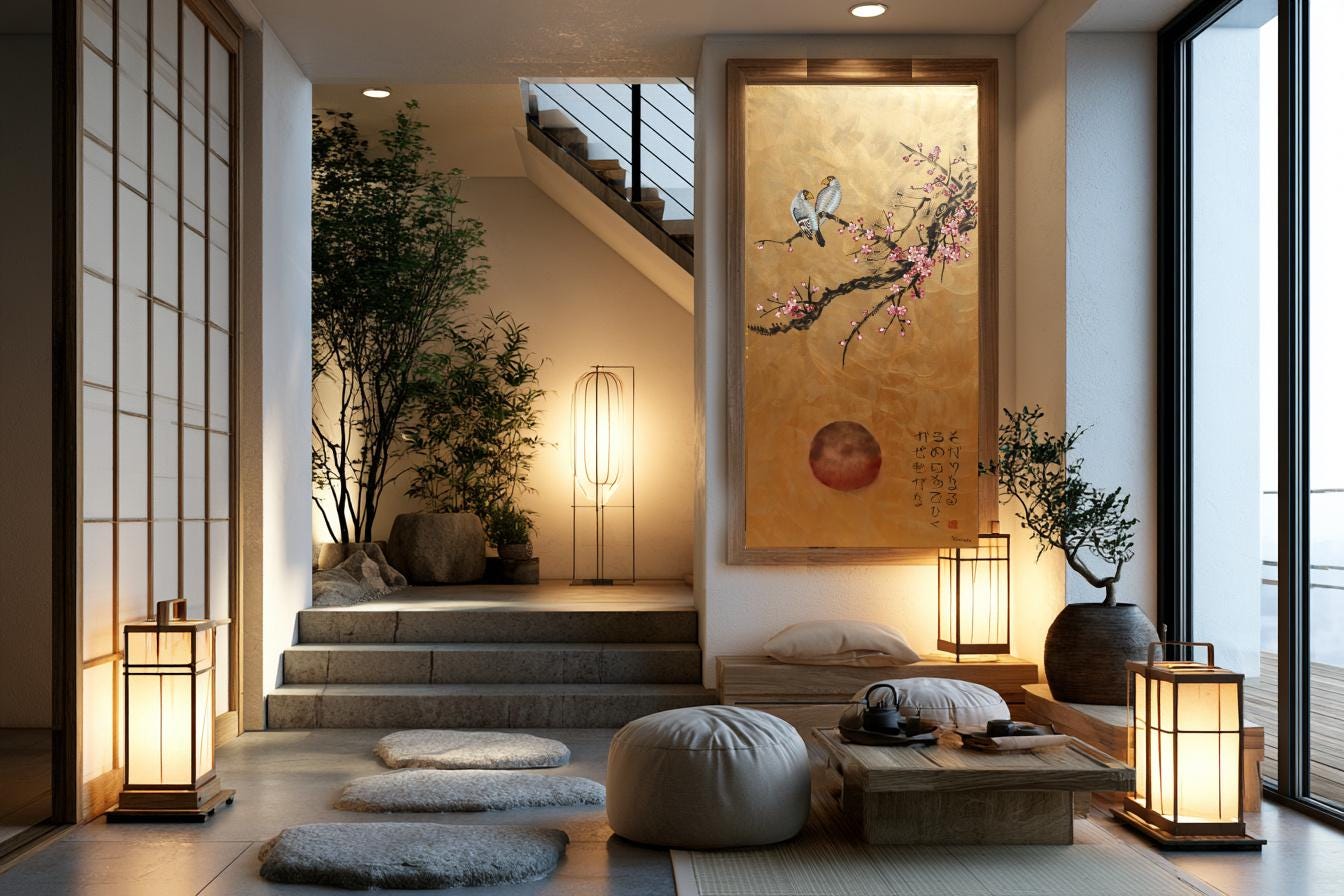
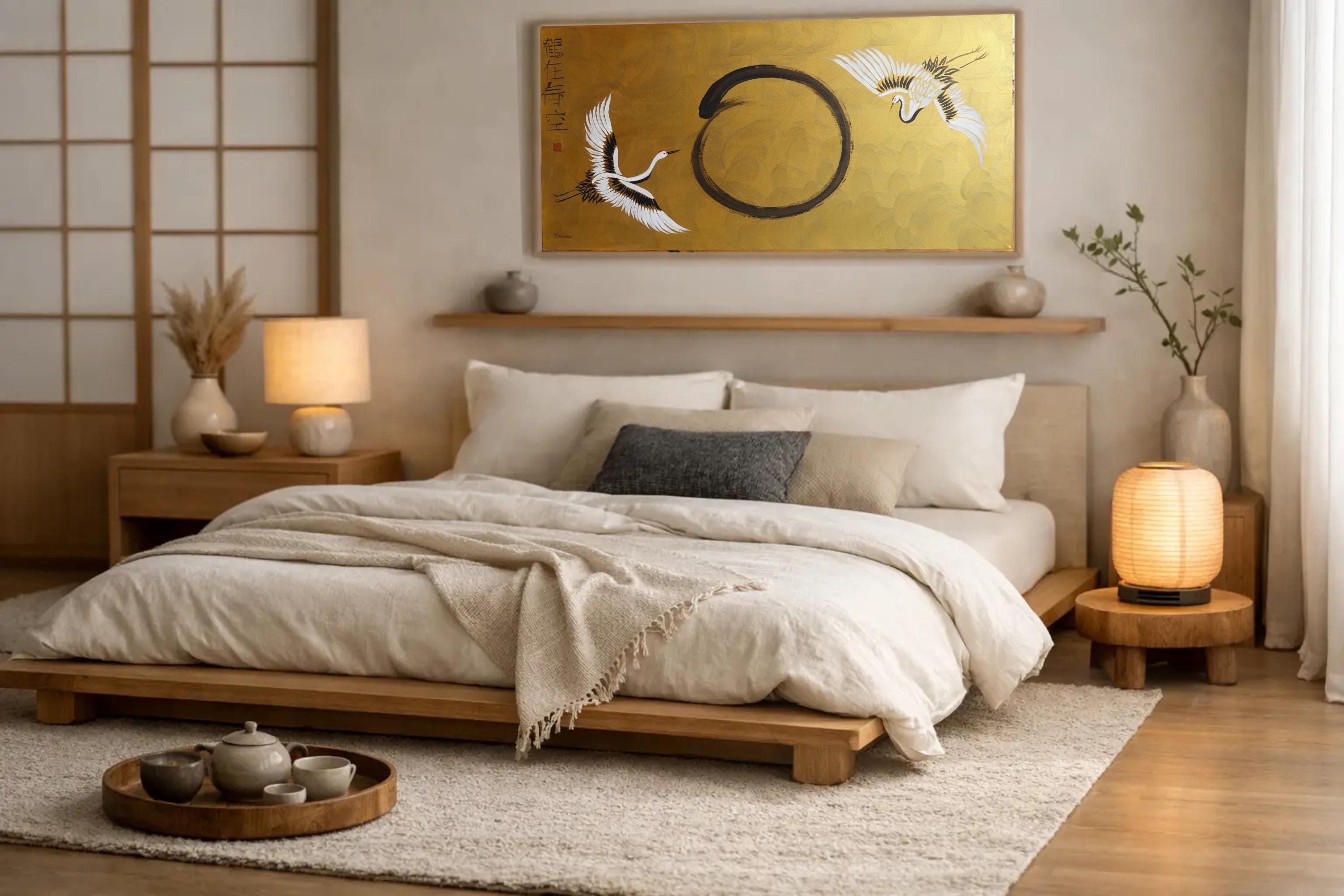
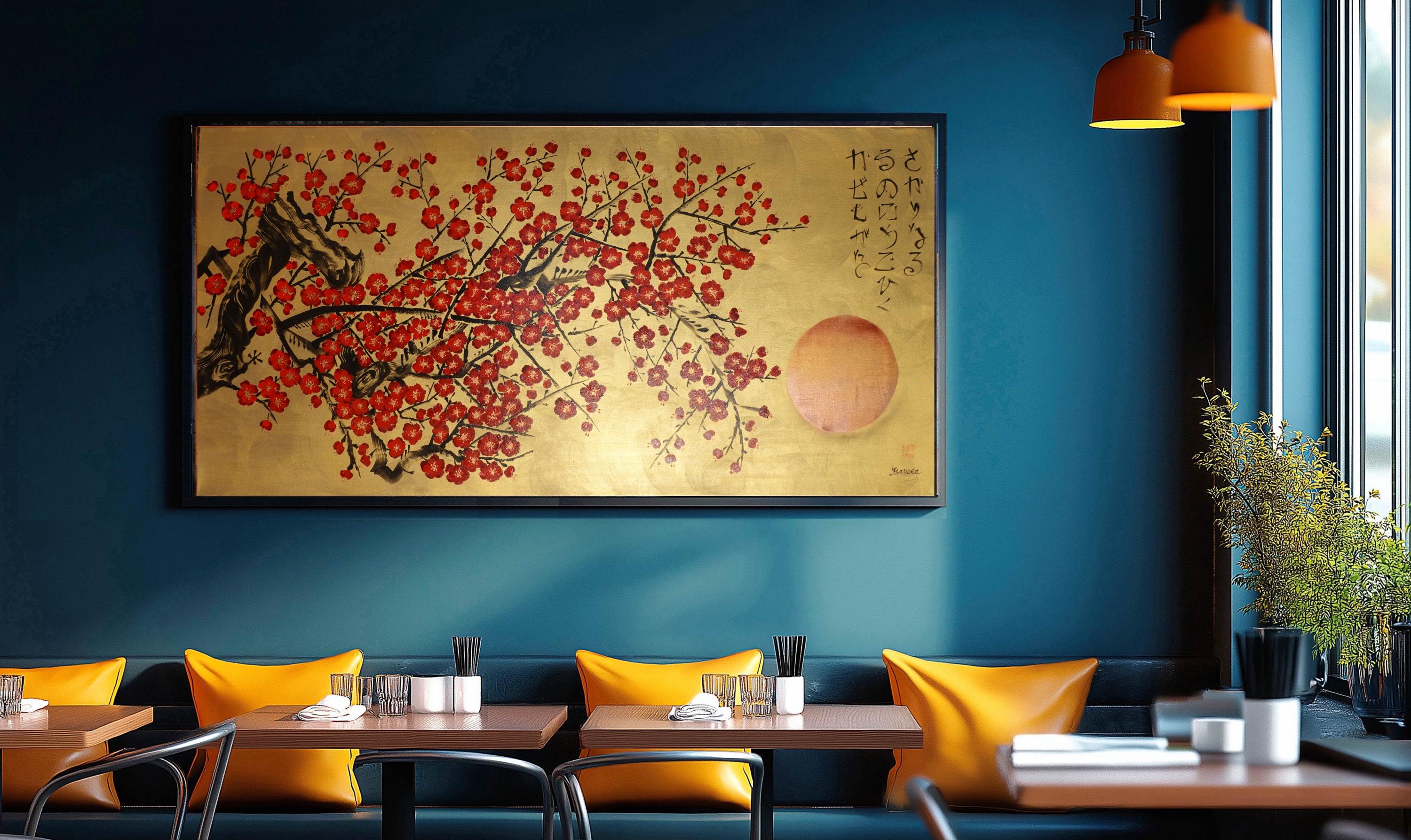
Although postmodernism embraces countless artistic languages, two visual traditions continue to inspire many contemporary collectors.The first is modern abstract art, where texture, gesture, metallic accents, and layered colour invite personal interpretation instead of literal storytelling.The second is the timeless elegance of Japanese wall art.Cherry blossoms, cranes, koi fish, flowing branches, mist, and empty space have fascinated artists for centuries—not because they describe nature realistically, but because they capture something quieter: balance, impermanence, and contemplation.When these traditions meet contemporary composition, the result feels surprisingly natural.Ancient symbolism enters modern interiors without appearing nostalgic.Minimalism gains warmth.Luxury becomes calm.
My Artistic Philosophy
As an artist, I rarely try to provide definitive answers.Whether I create large abstract paintings with rich textures, shimmering metallic finishes, or Japanese-inspired compositions featuring sakura blossoms, cranes, koi fish, and golden light, my goal is always the same: to leave room for your imagination.Every original painting is created entirely by hand in Germany using professional acrylics on canvas.Some collectors discover peaceful landscapes within abstract forms.Others see changing skies, distant mountains, flowing water, or memories of places they have never visited.Japanese-inspired paintings often evoke similar personal responses. For one viewer, a flowering cherry branch represents spring. For another, it becomes a symbol of resilience, renewal, or quiet optimism.None of these interpretations need to be corrected.That freedom is precisely what attracts me to postmodern thinking.
Living with Art
The finest artwork does not demand constant attention.Instead, it becomes part of everyday life.Morning sunlight reveals details you missed yesterday.Evening shadows create entirely different moods.Visitors notice elements that you have overlooked for months.A painting quietly continues its conversation without ever repeating itself.Perhaps that is why original contemporary paintings remain so compelling in modern homes, boutique hotels, restaurants, executive offices, and thoughtfully designed living spaces.They are not simply decorations.They become companions.
Discover Original Contemporary Art
If the philosophy of postmodernism speaks to you, I invite you to explore my collection of original abstract paintings, Japanese paintings, oversized canvas art, and museum-quality fine art prints.Each artwork is painted by hand, created with archival materials, and designed to bring depth, texture, and individuality into contemporary interiors.Because perhaps the most beautiful quality of art is not that it answers our questions.It is that, years later, it is still capable of asking new ones.
Discover contemporary original paintings by Ksavera Explore unique large-scale acrylic artworks, Japanese-inspired paintings, and modern abstract art created by artist Ksavera in Germany. Visit the official art store: www.ksaveraart.com
Read more about modern art, interior design and contemporary trends This article is published on XXL Art, a platform dedicated to large-format artworks, creative inspiration, and contemporary wall decoration: www.xxlart.shop
Find your perfect wall art from thousands of designs Browse thousands of artistic motifs, fine art prints, and decorative artworks available in different formats for modern interiors: ksaveraart.pixels.com